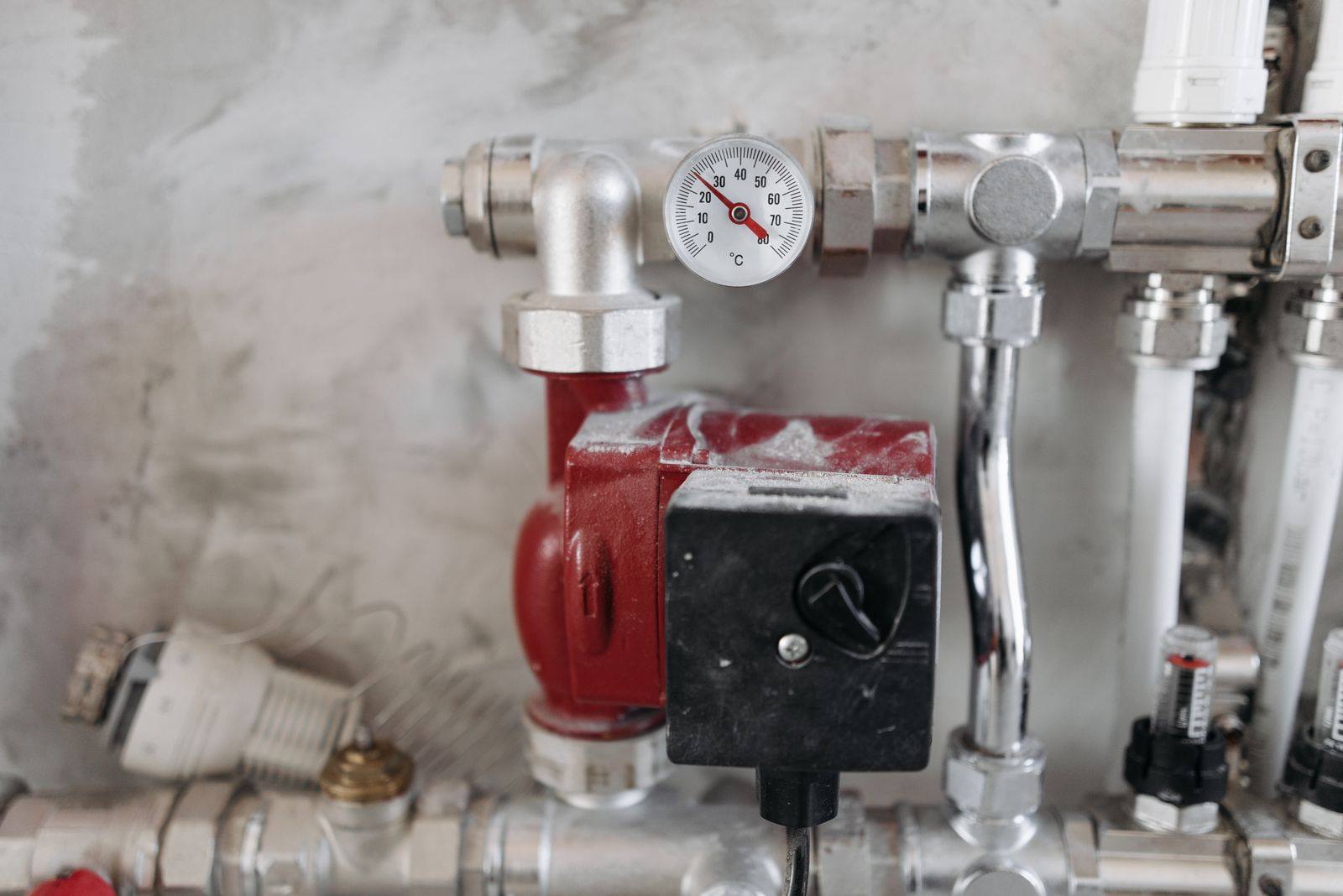
Submersible Sump Pump in New Bedford
A submersible sump pump sits in the pit, under the water, and pumps groundwater out through a discharge pipe. Because it is underwater, it runs quietly and is cooled by the water around it, which helps it last. It is the most powerful option, and the most common choice for a basement that takes in a lot of water. It does need to be lifted out of the pit for service, which is less convenient than a pedestal pump — but for most basements, the quiet running and the power are worth it.
Requests are accepted in all 6 New Bedford ZIP codes where coverage is verified: 2740, 2741, 2742, 2744, 2745, and 2746. Requests are shared with independent local sump pump installation providers.
Signs you need submersible sump pump
A basement that takes in a lot of water
A basement that takes in a lot of water in heavy rain needs a pump that can move a large volume quickly. A submersible pump is the most powerful option, and it runs quietly because it is underwater.
A basement used as living space
A basement that is used as a living space, or one where noise matters, suits a submersible pump — it runs quietly because it is under the water in the pit.
A deep pit with room for the pump
A pit that is deep enough to hold a submersible pump, with room for the float switch to move freely, is the right setup. The provider will check the pit size before recommending a submersible.
How it is fixed
The provider digs a pit at the lowest point of the basement, sets the submersible pump in it, and connects the discharge pipe with a check valve to stop water flowing back. The pump is wired to a power supply, tested by filling the pit with water, and the float switch is checked to make sure it starts and stops at the right levels.
What a visit usually involves
- - Describe the problem and survey — The provider asks about the flooding — when it happens, how much water, and whether the power goes out during storms — and surveys the basement to find the lowest point.
- - Options and quote — The provider explains the options — submersible or pedestal, and whether a battery backup is worth adding — with the cost of each, and confirms where the discharge pipe will run.
- - Installation — The pit is dug, the pump is set in it, the discharge pipe is run outside and well away from the house, and the pump is wired to a power supply. A check valve is fitted to stop water flowing back.
- - Testing and handover — The pump is tested by filling the pit with water, the float switch is checked, and the battery backup is tested if one is fitted. The provider explains the testing routine before leaving.
What it costs
A sump pump installation is priced by the pump, the pit, and the discharge line. As general guidance, installing a sump pump commonly falls in roughly the $1,000–$2,500 range, including the pump, the pit, and the discharge pipe — more if a pit has to be dug through a concrete floor, or if the discharge line has to run a long way from the house. A battery backup system is usually an additional cost, commonly in roughly the $500–$1,500 range. A simple repair — a float switch, a check valve, or a clogged discharge — is usually far less, commonly in roughly the $150–$500 range. Any figure here is general guidance, not a quote — the provider who surveys the basement gives the actual price.
New Bedford homes and their plumbing
New Bedford housing runs from Victorian homes and triple-deckers in the West End and North End, through mid-century neighborhoods, to newer suburbs. Many older homes have basements with a sump pit and a pump that has been there for decades.
Frequently Asked Questions
What is a submersible sump pump?
A submersible pump sits in the pit, under the water, so it runs quietly and can move a large volume of water. It is the most common choice for a basement that takes in a lot of water, and it is out of the way — nothing sticks up above the floor.
Can a submersible pump run underwater?
Yes — a submersible pump is sealed and designed to run underwater. It is cooled by the water around it, which is one reason it lasts well. It does need to be lifted out of the pit for service, which is less convenient than a pedestal pump.
How is a submersible pump sized?
It depends on the water volume and the head — how high the water has to be pumped. A provider sizes the pump for the basement, and a larger or more powerful pump costs more. A pump that is too small will run constantly and still lose ground.